

The latest: October 2026
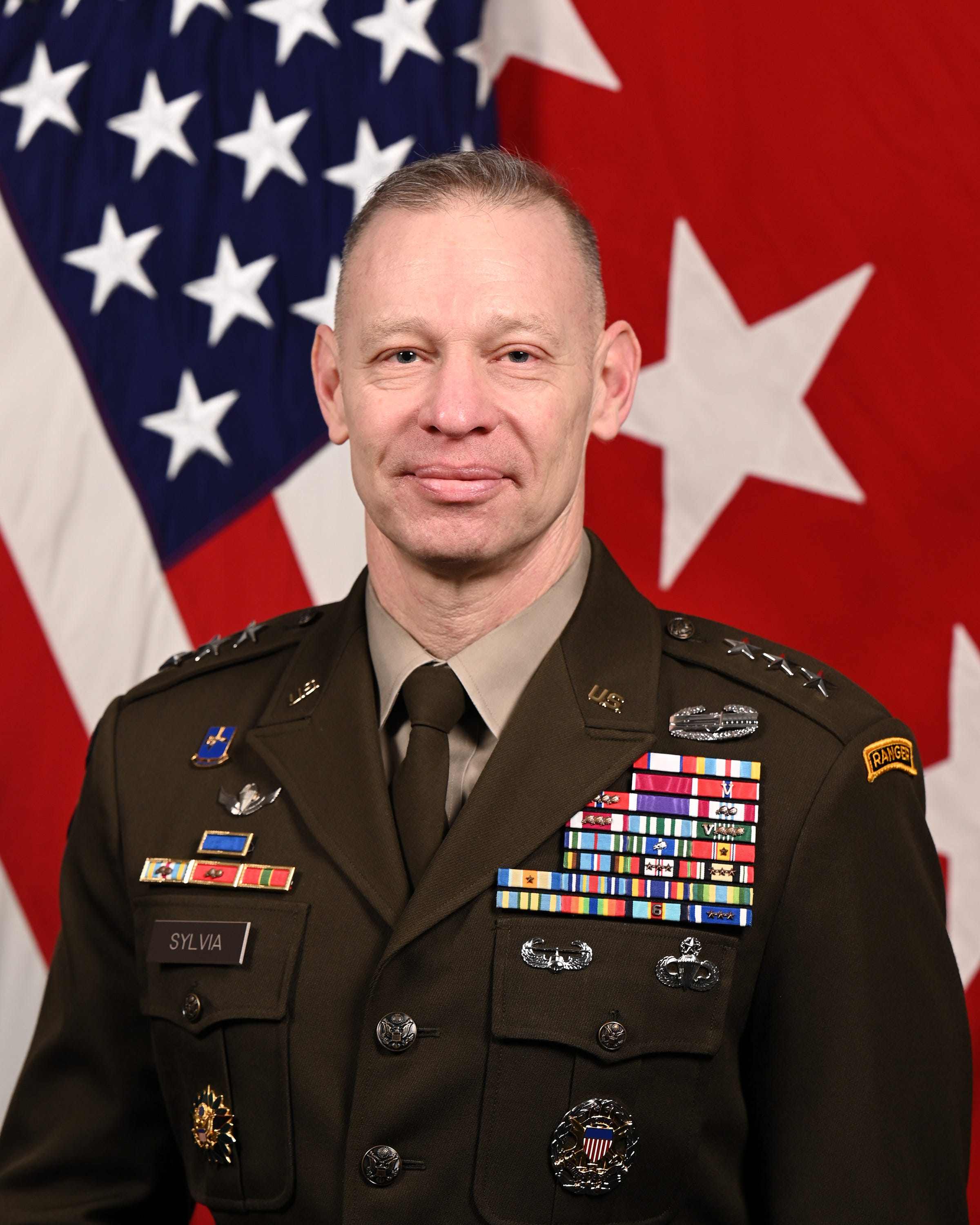
In late October 2026, Lt. Gen. Brett G. Sylvia was removed from the Joint Staff, The Atlantic and the Associated Press reported. He was its Director for Strategy, Plans and Policy, the J5. In the Joint Staff’s own words, J5 “proposes strategies, plans, and policy recommendations to the Chairman of the Joint Chiefs of Staff to support his provision of military advice” to “the President and other national leaders.”
Sylvia served 32 years. He commanded the 101st Airborne Division. His decorations include the Purple Heart and six Bronze Star Medals, one with valor.
“No explanation was given,” The Atlantic reported on Oct. 28. A defense official told the Associated Press that “no reason has been given for the firing.” Citing Defense officials it did not name, The Atlantic reported that the Secretary “lost confidence in him” and that Sylvia did not get along with Elbridge Colby, the Pentagon’s top policy official. The Joint Staff’s statement thanked him and his family “for their 32 years of distinguished service to our nation.”
His predecessor in the same job, Lt. Gen. Joe McGee, left in October 2025. The Pentagon called that a retirement.
On Sept. 30, at Quantico, Secretary Hegseth announced a 20 percent cut to general and flag officers, due by Jan. 1, 2027. His word for it: “The media calls that a purge. I call it accountability, and long overdue, and frankly, the bare minimum.”
Sources: The Atlantic, “Hegseth Fires a Top General,” Oct. 28, 2026; the Joint Staff’s J5 mission; CNN on Lt. Gen. Joe McGee, Oct. 29, 2025 (republished by ABC 17); the Associated Press, Oct. 28, 2026; Stars and Stripes, Sept. 30, 2026.
The Secretary calls the cuts accountability, so this page keeps the account: each entry dated, each one sourced. Every Monday I take one word an institution bent and show the page it bent on. Subscribe and the next one is in your inbox, free.
The record so far
Twenty-one pieces, grouped by what they track, newest first in each group. Each line quotes the piece’s subtitle.
The officers
Leaders Listen. Pseudo-Leaders Say “I Don’t Care.”, September 2026. What a public did with a documented case, and what it says about us.
What Do You Mean by Warrior Ethos?, June 2026. The stated standard kept General Chris Donahue. The operational standard did not.
Restoring Whose Truth? Revisited, June 2026. Fourteen months ago, I named the mechanism. This week, there is a photograph of it, and a federal judge with sixty-three pages on it.
Friday Binding: The Thread Is the Story, June 2026. Five picks on what 6,500 comments taught me about who keeps the record.
Orders, oversight, and the press
Friday Binding: The Week the Rulebook Answered, September 2026. Four institutions were told what to do. Three read the rulebook. One got its rulebook rewritten by memo.
The Silence, September 2026. 168 comments across two posts. Zero engagement with the architecture. What the analysis shows.
When Order Becomes Oracle, Part Two, September 2026. The video was ninety seconds. The response was a Letter of Censure, an FBI probe, and a grand jury that would not indict.
The Foxhole, August 2026. A Friday Binding on Stars and Stripes, the standing rule Eisenhower defended, and the memo that took what Patton could not.
When Order Becomes Oracle, Part One, March 2026. The Word That Runs Everything.
The record itself: pages, names, counts
The Agency Stopped Speaking to You, September 2026. A weekend inside the Facebook feeds of the State, Education, and War Departments.
Same Hands on the Pen, August 2026. The ship already had a name. Trump’s own Navy gave it to him.
Version Control, Round Four, July 2026. Removed, restored under order, quietly replaced, renamed. Round four, and the first time the record was a count of the dead.
What Do You Mean, “Restored”?, July 2026. The page came back in three days. Read what came back.
At the Level of Words, At the Level of Facts, June 2026. A 1953 diagnosis inverted. Part 1 of three.
Troops, courts and the election
What Do You Mean by “Rebellion”?, October 2026. A 2025 memo called protests that “directly inhibit the execution of the laws” “a form of rebellion.” Sixteen months later, the Ninth Circuit read the word against the law.
Chapter 3: The Room Written Before You Enter, October 2026. In 1944 the Army scripted executions down to the pace and barred every camera but its own. In 2026 the terms came from an interview.
Friday Binding: Put It in Writing, October 2026. Five pages, thirty-two days out. The Pentagon cited the 1865 law in writing. Three agencies have not answered the same question.
Chapter 1: Two Levels, September 2026. The Pentagon wrote two sentences on one page. Read both, then check the week.
The war and the machines
What Do You Mean by “Small Price”?, October 2026. He used the phrase twice in one passage. The first time, it followed gas. The second time, it followed two American cities.
The Inverse Problem, Part II: Seventy-Two Hours, March 2026. The story of a government that banned a tool on Friday, used it to fight a war on Saturday, and replaced it with a weaker copy by Sunday.
The Inverse Problem, February 2026. The story of a corporation that told the U.S. military “no.”
Congress sets by law how many generals and admirals may serve, and the Senate confirms each one. Every House seat and about a third of the Senate are on the ballot Tuesday, Nov. 3. Read the ballot the way you read the record: every race, every proposition. vote411.org
Three pieces arrive each week, free: a chapter of Ask for the Page on Monday, a What Do You Mean? field guide on Wednesday, and the Friday Binding. When a new page joins this record, I add it here with its date.
Jerry W. Washington, Ed.D., is a Marine Corps veteran of twenty-three years, a combat engineer by trade, an instructor at UC Irvine’s Division of Continuing Education, and the writer of What Time Binds, a record of how institutions bend words and how the page holds them to account.